Support / Guides / Low Pressure Homes — What to Ask Before Sizing an RO
Low pressure can punish a “right-looking” sticker before peak hour even starts.
Low Pressure Homes — What to Ask Before Sizing an RO
For: Myanmar home buyers with weak feed pressure
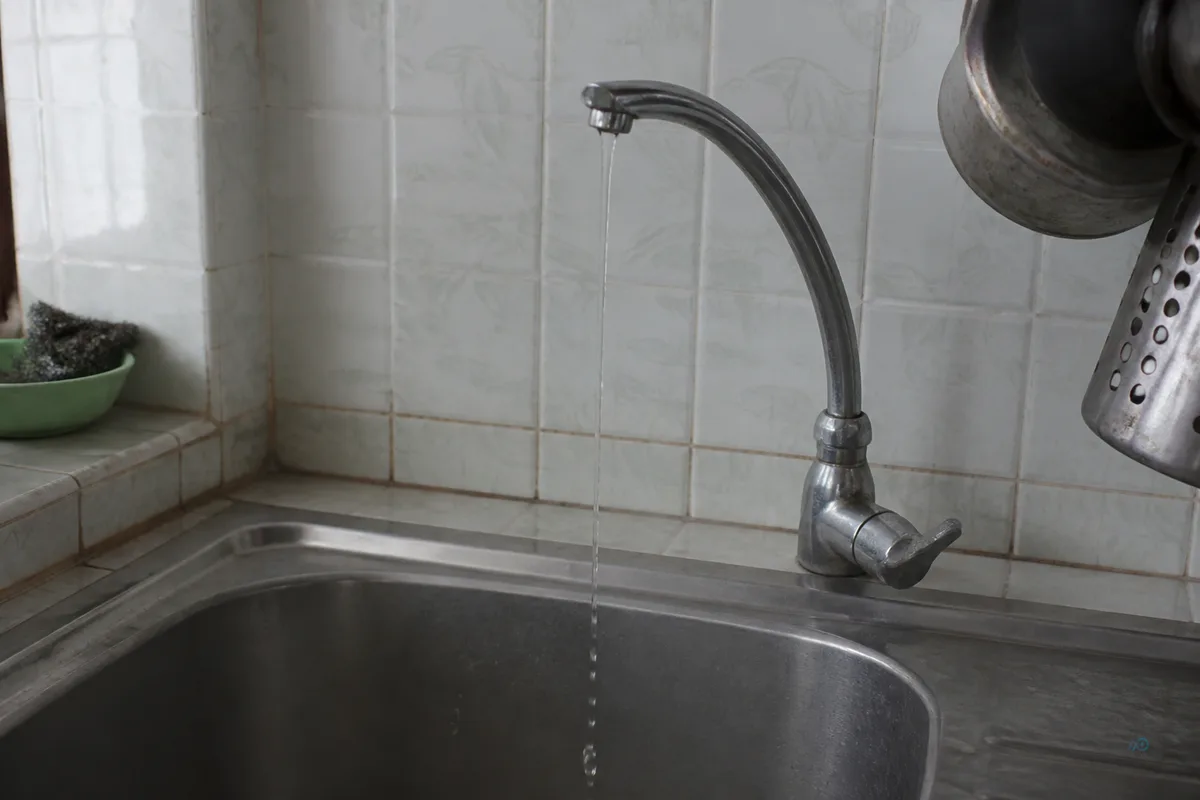
Some homes do everything "right" on Facebook — they compare GPD stickers carefully, they read reviews, they pick a well-known brand — and still feel disappointed after install.
One common reason nobody mentioned in the comments section: low feed pressure. The class name printed on the box does not cancel physics happening quietly at the tap.
Pressure is boring compared to a shiny new machine, which is exactly why it gets skipped in most buying conversations.
The eighth-floor apartment that felt cheated
A young couple on the eighth floor of a new Sanchaung tower buy a well-reviewed RO unit after weeks of research. On install day, the technician warns them that the building's booster pump schedule might affect fill speed during evening peak hours. They nod politely and forget the warning within a week.
Three months later, they are furious. The unit "never performs like the reviews said," and they are convinced they were sold a defective machine. A second technician visit reveals the truth: the unit works exactly as designed, but the building's shared riser delivers noticeably weaker pressure to the eighth floor between 6 and 9pm, when most of the building cooks dinner at once. No machine, at any price, produces more from a feed line that simply is not delivering enough pressure in that window.
The warning they forgot in week one was, in hindsight, the single most important sentence of the entire buying process.
Why pressure belongs in a water-safety conversation
Safely managed drinking water, in WHO/UNICEF JMP language, must be available when needed. In apartment towers, "available" often depends on roof tanks, shared risers, and booster schedules — not only on whether a pipe physically exists. Weak or intermittent pressure is a built-environment water problem that shows up as slow cooking, weak showers, and RO units that never feel as fast as the sticker promised, regardless of brand or price.
Myanmar's roughly 60% safely managed drinking-water coverage in 2024 (JMP-linked SDG 6 Data) is the national backdrop; your floor's morning and evening pressure is the local plot that actually determines your daily experience.
No national statistic will tell you what your own riser does at 7pm — only a direct question to your building will.
Pressure changes what you feel, not just what you read
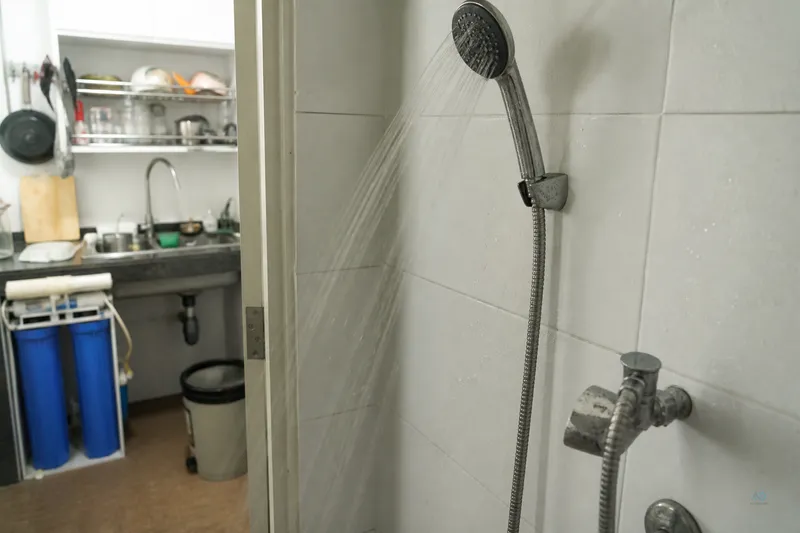
Low pressure can:
- Stretch fill times until peak hour collapses into a wait nobody planned for
- Make a "bigger" class feel pointless without addressing the feed problem first
- Hide for months until many flats in the same building draw water at the same time
Peak demand then multiplies the pain on top of an already weak feed — morning rush · hot season.
Reminder: 400GPD is a capacity class name, not a guaranteed daily gallon count for a low-pressure apartment, and no honest technician will promise otherwise.
The apartment trap: shared risers, shared blame
Upper floors and older risers often share blame with the machine unfairly. Neighbours running pumps at the same hour, evening heat raising everyone's demand together, and power cuts that stop boosters entirely all change what actually reaches your unit. Install discipline matters as much as class choice here — install checklist · storage tank.
A storage tank, sized correctly, can buffer some of this unevenness — but it is a different conversation from the capacity-class conversation, and conflating the two is how buyers overspend on the wrong fix.
Keep them as two line items on the same invoice, not one blended guess.
How to tell pressure apart from capacity, in plain terms
Many buyers use "weak" to describe two completely different problems without realizing it. A machine that fills slowly all day, every day, regardless of the time or who else is drawing water, usually points to a feed-pressure limit. A machine that fills fine most of the day but runs dry specifically during a predictable rush — morning, evening, or both — usually points to a capacity or peak-demand limit instead.
Confusing the two is expensive. A household with a genuine pressure problem that buys a bigger capacity class will still feel disappointed, because the new machine is still starved of the same weak feed. A household with a genuine peak-demand problem that only addresses pressure will still run dry at rush hour, because the underlying class was never large enough for their household in the first place. Naming which problem you actually have, before buying anything, is the single most useful thing this guide can offer.
Questions before you fall in love with a model photo

- When is tap flow weakest — a specific time of day, or unpredictable?
- How does the roof tank or booster behave during that weak window?
- Does the weakness coincide with a building-wide peak, like dinner hour?
- Is there space for a unit plus a buffer tank if one turns out to be needed?
- Who supports you after install if pressure turns out to be the real issue? — local support
Bigger class is not a pressure magic trick
RO Machine 400GPD-class can be the right conversation for genuinely higher demand — but it does not erase a real pressure problem by itself, no matter how the sticker reads. Pressure and capacity class are two separate invoice lines that must stay honest with each other, not one number standing in for both.
Avoid friend-sizing and price-only shortcuts that skip feed-pressure reality entirely, because a friend on a lower floor with a stronger riser is not living in the same physical situation as you.
When 400GPD-class still enters the chat
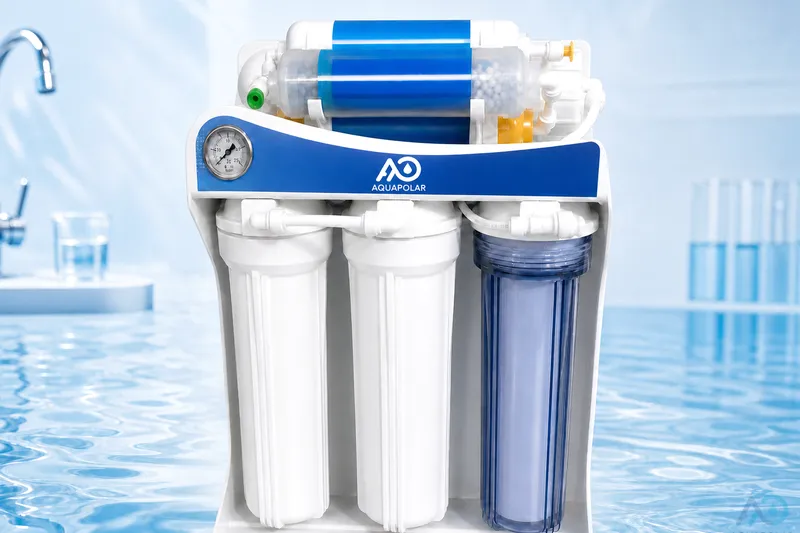
Talk about RO Machine 400GPD when peak demand is genuinely high and you are ready to qualify pressure honestly with a local path — Viber, quote, or a showroom visit — not a model photo alone shared from a Facebook ad.
Product: RO_400GPD · who it fits · what 400GPD means.
What the couple on the eighth floor should have asked first
Looking back, the couple could have avoided months of frustration by asking one question before buying: what does pressure look like on this floor during the building's busiest cooking hour? That single question — asked of a neighbour, a building manager, or a technician doing a site visit — would have reframed their entire decision around a tank-and-class plan instead of a sticker comparison.
They eventually solved the problem with a small buffer tank and a realistic expectation for the evening window — not a machine replacement, and not a refund argument that went nowhere.
What a booster or buffer tank can and cannot fix
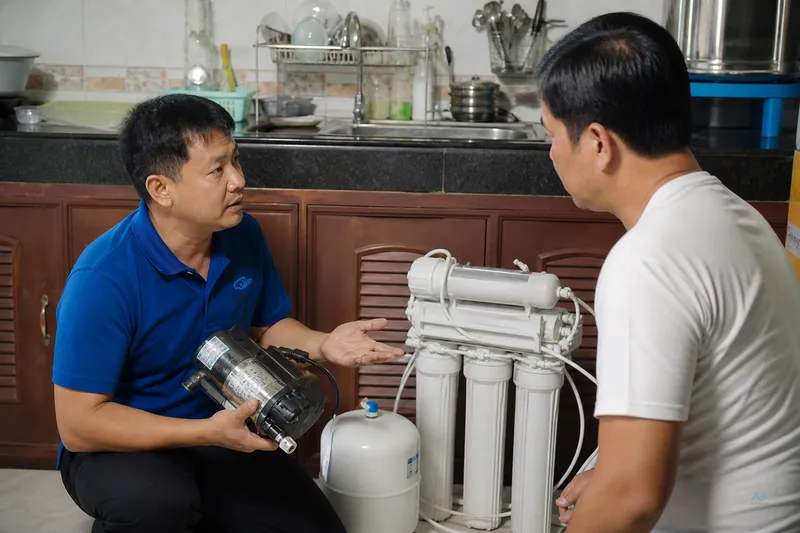
A booster pump can raise weak pressure closer to what an RO membrane needs to work efficiently, and a buffer or storage tank can smooth out short peak draws so the household is not entirely dependent on membrane speed in the moment. Both are legitimate, common fixes in Yangon apartments with known riser problems.
Neither fix turns a genuinely undersized capacity class into a correctly sized one, and neither is a substitute for confirming that the building's electricity supply can actually run a booster reliably during the exact hours pressure drops. A booster that cuts out with the same power interruption that caused the pressure drop in the first place solves nothing.
Ask about backup power for any booster before assuming it solves an evening problem that is often tied to the same building-wide power strain.
Send this on Viber
- Floor number and building type
- When flow feels weakest during a normal day
- Peak water jobs in your household
- Space photos, if you have them
- "Pressure may be low — advise class and install fit together."
Viber 09668896889 · Get Quote · Showroom
Ground-floor houses are not automatically exempt
It is easy to assume pressure problems only happen on upper floors of apartment towers, but ground-floor and single-story houses on older municipal lines can face the same issue from a different cause — an aging street main, a shared connection with several neighbouring houses, or a private well pump that was never sized for a growing household. The symptom looks identical from inside the kitchen: slow fill, frustrated mornings, and a machine that gets blamed for a feed problem it did not create.
If your house is not in a tower but still shows the same weak, all-day pattern described above, the same diagnostic questions still apply — the building type changes, the underlying physics does not.
Describe your actual building type honestly when you message a technician; guessing which category you fall into wastes the first round of questions.
Related
Ready to size with pressure in the room?

Do not hide weak flow and hope a bigger sticker fixes it quietly on its own. Bring pressure into the conversation early — then ask whether 400GPD-class belongs alongside it.
The eighth-floor couple learned this the expensive way. There is no reason your household needs to repeat their three months of frustration.
Message on Viber, request a quote, or visit the showroom with your floor and building details.
Related products
Next step
Ready to talk through fit for your home or site? Message on Viber or request a quote.
More guides: Support guides