Support / Guides / Dry Zone Salty Wells — What Conductivity Is Trying to Tell You
Salty does not always mean “buy the biggest RO.” It means name the use class first.
Dry Zone Salty Wells — What Conductivity Is Trying to Tell You
For: Central Dry Zone well households deciding drinking vs other uses
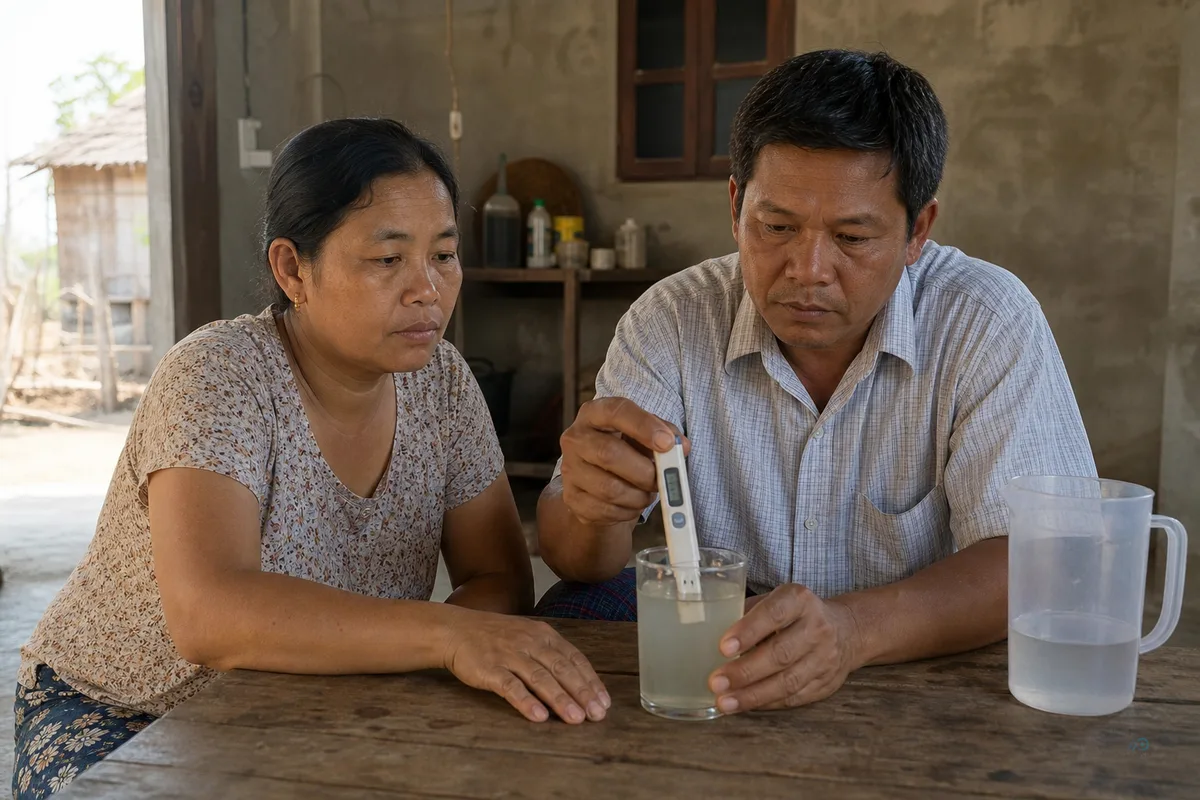
Central Myanmar’s Dry Zone does not give every village the same well.
Hydrogeology summaries for the region describe groundwater that can swing across salinity, hardness, and arsenic — and they map conductivity-style readings into practical use classes (drinking / livestock / irrigation). That is why a neighbour’s “our RO fixed the taste” story can be a terrible buying script for your borehole.
This guide is about one job: read salinity as a use-class question before you shop a machine photo.
The well that watered goats — and filled bottles
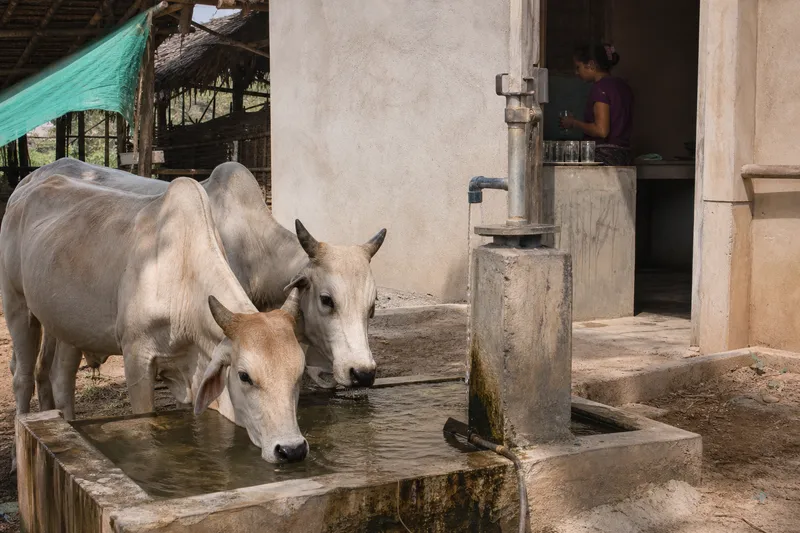
A family near a Dry Zone township keeps a productive shallow well. Animals drink. Gardens get watered. Someone buys a handheld meter after Facebook panic, sees a high number, and orders “the strongest RO” overnight.
Nobody asked: is this water even in a drinking-oriented band — or is it already a stock/irrigation class well that needs a different plan?
Wrong use class creates two expensive mistakes:
- Paying for a kitchen machine when the honest path is change drinking source
- Expecting a capacity sticker to cancel a source that was never briefed
Taste is a clue. Conductivity (EC) / salinity banding is a planning tool. Neither is a medical diagnosis.
What conductivity is good for
Electrical conductivity is a rough signal of how “loaded” the water is with dissolved ions. In Dry Zone practice notes, that signal is often translated into suitability bands for different jobs — drinking water planning versus livestock versus irrigation — not into a single viral slogan.
Bring EC into the conversation when you can:
- Compare the same meter, same method over time
- Ask a technician which use class the reading usually sits near
- Separate “salty for tea” from “wrong well for the kitchen line”
Do not treat one screenshot as a WHO certificate, a disease label, or a guaranteed RO outlet number.
What one salty reading cannot finish
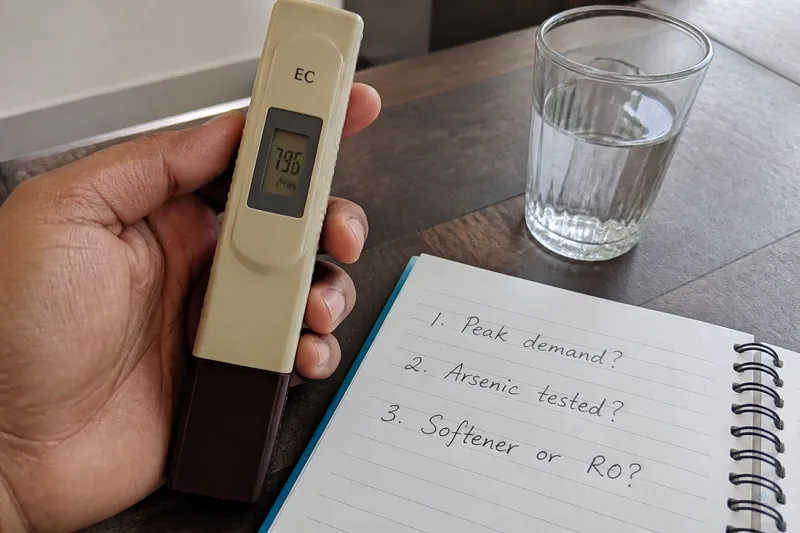
- Peak morning jug emptiness — morning rush
- Whether arsenic still needs its own test in some aquifers — 50 vs WHO 10 · test before shopping
- Softener versus RO path confusion when the real fight is chloride/salinity taste
- Install pressure, drain, and tank reality
- A promised µg/L or TDS result from a product photo
If your anxiety is only a bright TDS number, start here too: Should you test TDS before home RO?
Dry Zone variability — why neighbour copy fails
Official Dry Zone hydrogeology material stresses that potable low-salinity supply is critical precisely because salinity and hardness are uneven. Basin groundwater notes also link salinity patterns to geology and intrusion risks in places — while arsenic risk can appear in other aquifer settings. Monitoring gaps mean your ward is not your cousin’s PDF.
So the buying rule is local:
- Source type and depth notes if known
- EC / salinity reading with meter and date
- Ask for use-class language (drinking vs stock vs irrigation)
- Arsenic / other tests when the setting warrants
- Peak demand and install path
- Then capacity class
Copying a friend’s Magway Facebook order into a Sagaing borehole is how deposits evaporate.
Softener, RO, or change the drinking source?
Sellers love collapsing every salty complaint into one SKU.
Honest forks sound like this:
- Aesthetic salt / hardness complaints may lead to different process talks than a well already outside drinking-oriented banding
- RO class talk belongs with real kitchen demand and an honest feed description — not as a medical “desalt cure”
- Change drinking source (other well, delivered water, mixed plan) is sometimes the adult answer before any housing colour
AQUAPOLAR will not invent a µS/cm cutoff on this page as if it were your lab result. We will ask for your reading and your use story, then talk class fit without cure theatre.
When RO Machine 400GPD-class enters

Bring RO Machine 400GPD into the talk when:
- the well/use-class picture is on paper (including “EC high — drinking path uncertain”), and
- drinking + cooking + bottles create real peak demand
400GPD is a capacity-class name, not a salinity certificate. Product: RO_400GPD · what 400GPD means · who it fits.
If feed is harsh, pretreatment and consumables rhythm matter more than a stage-count sticker — ask before you pay.
Scaling, recovery bragging, and Dry Zone honesty
High dissolved load is where “high recovery / zero waste” ads get people hurt. Scaling and early membrane regret show up when recovery fantasy meets salty feed. Refuse magic recovery claims. Prefer a brief that includes EC, hardness clues, and peak hour — then a showroom or quote path.
Two Viber messages
Not ready
> “Well salty. Send strongest RO. Dry Zone.”
Ready
> “Township ___. Tube well. EC reading ___ on meter ___ (date). Taste salty/bitter. Used today for ___. Morning: tea + rice + bottles. Want use-class talk first, then capacity class — no cure claims.”
What to send AQUAPOLAR
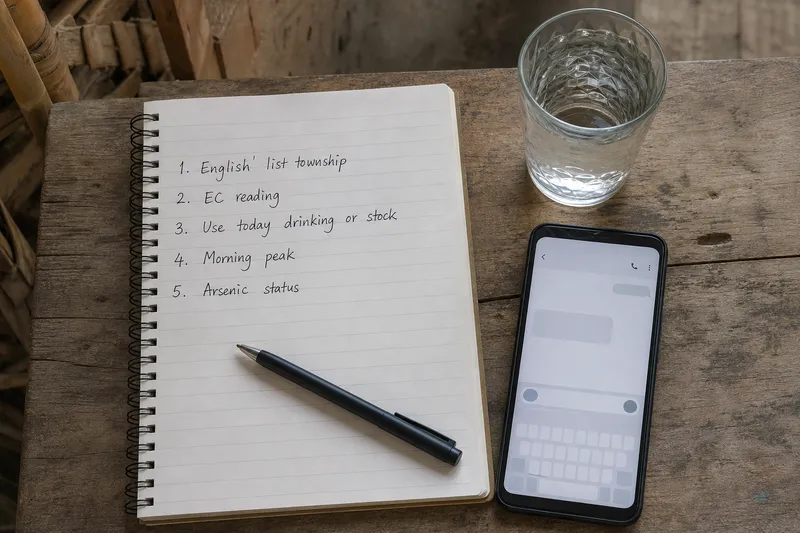
- Dry Zone township / village
- Well type / approximate depth if known
- EC or salinity reading + meter + date (or “not measured”)
- How the well is used today — drinking, animals, garden, mixed
- Taste / scale / laundry notes
- Arsenic test status if any
- Morning peak jobs on the purified line
- Showroom path or written quote preference
Viber 09668896889 · Get Quote · Showroom / Insein · Facebook Message on the AQUAPOLAR page
Related
- Should you test TDS before home RO?
- Myanmar arsenic 50 vs WHO 10
- Delta — test arsenic before shopping
- Mandalay intermittent piped water
- Buying RO by price only
Ready to name the use class — before the housing colour?
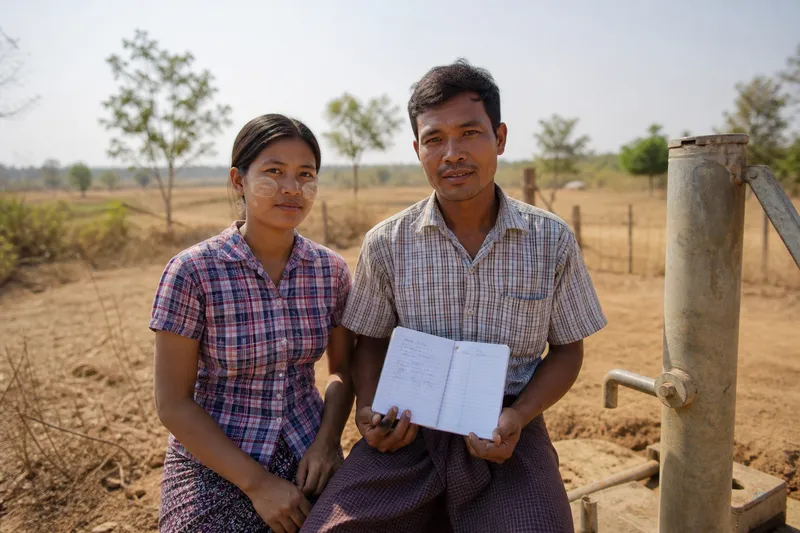
Write the salinity story as a use decision, not a panic purchase. That is how Dry Zone buyers avoid paying twice — once for the wrong machine, once for the source question they skipped.
Message on Viber, request a quote, or visit the Insein showroom with your EC and use notes.
Related products
Next step
Request a quote, or use Viber for Myanmar local support.
More guides: Support guides