Support / Guides / Waiting Until the Old Purifier Dies — Emergency Buy Risk
The machine dies. The checklist dies with it.
Waiting Until the Old Purifier Dies — Emergency Buy Risk
For: Myanmar homes delaying RO decisions until failure
Waiting feels thrifty. Right up until it isn't.
The old purifier does not usually die on a quiet Tuesday. It dies on a school morning, during a guest weekend, or in the hottest week of the year — the exact moments when purified water matters most and patience is already gone. Every careful question you meant to ask before buying disappears into a single, urgent one: "How fast can I get any machine, today?"
This guide is about emergency RO buy risk in Myanmar: what waiting until total failure quietly deletes from a decision, and how to run that same decision calmly while the old unit still limps along.
None of this requires predicting the future. It only requires treating today's warning signs as today's decision point, instead of tomorrow's emergency.

The moment panic takes over
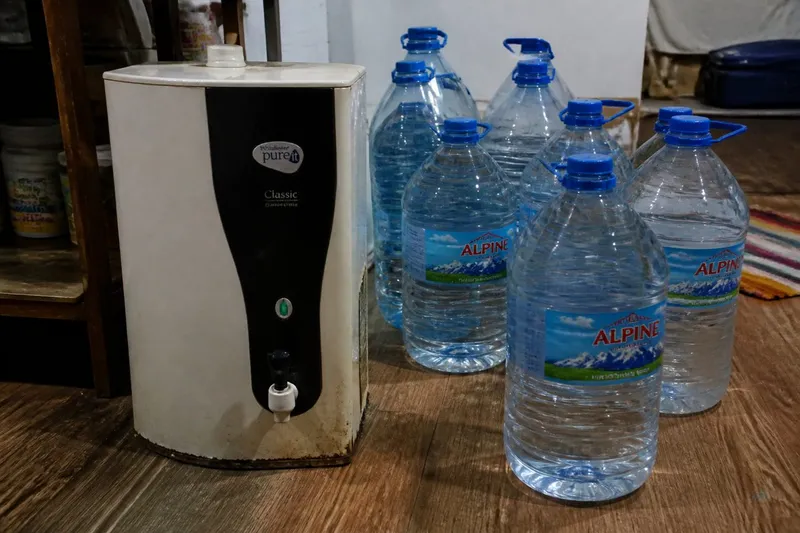
Picture the ordinary version of this: it is 6:45am, the kettle is on, and the purifier makes the sound it has made for the last two weeks — the one everyone agreed to "keep an eye on." Today it does not recover. No water. Kids need bottles for school in twenty minutes. Someone opens a group chat and asks whoever answers first.
In that state, nobody is comparing capacity classes. Nobody is measuring the cabinet. The only question left is "how fast," and speed rarely comes with the questions that protect a household for the next three years.
This is not a story about one careless family. It is close to the default outcome of postponing a decision until the decision is made for you by a broken part. The emergency did not create the bad choices — it just removed the time needed to make good ones.
What emergency buying deletes from the checklist
Under panic, buyers routinely skip:
- Peak demand honesty — sizing for the rush that already broke the old machine, not just "any RO" — morning rush
- Space, drain, power, pressure — the physical checks that decide whether a unit can even be installed cleanly — install checklist
- Local seller vs photo-only — whether anyone will answer after this week's sale — showroom vs Facebook-only
- A spare-parts path — whether filters and membranes are reorderable locally, not just this once — spare parts
- Whether a borrowed size even fits — panic often means copying whatever a friend or neighbour has, sight unseen — friend-sizing fails
Here is the uncomfortable part: you do not buy a considered decision under panic. You buy relief. Relief and fit are not the same purchase, even when they come in the same box.
Signs you are already in the danger window
You do not need total failure to already be at risk — total failure is simply the loudest version of a pattern that usually announces itself earlier:
- Slow fill every busy morning, blamed on "the water today"
- Taste or smell drift that the household keeps "watching" instead of addressing
- Bottled water quietly becoming the household default, without anyone deciding that on purpose
- A noise, vibration, or leak that has become part of the household's routine instead of a repair item
- Filter-change fear delaying service because nobody wants to ask what it costs — filter change fear
- Guests, a festival, or hot season already exposing a gap the old unit was already close to — Thingyan guests · hot season
- A quiet decision to just top up with bought jugs "for now," where "for now" has already lasted months
Those are planning signals. They are not reasons to wait for zero flow — they are the exact moment planning is still possible.
Why the "wait and see" logic feels reasonable
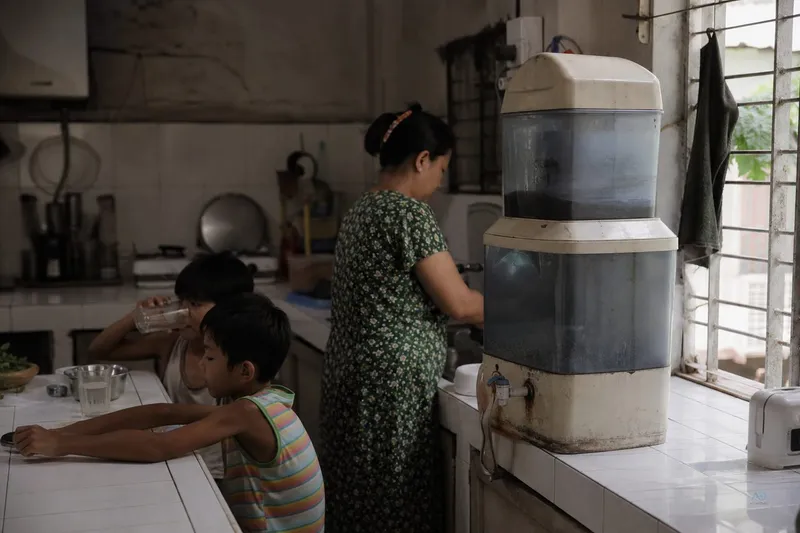
Nobody decides to gamble with their water supply on purpose. The delay usually comes from a perfectly reasonable-sounding thought: "it's still working, sort of, so let's not spend money yet." That logic makes sense for plenty of household items. It works less well for a machine whose failure mode is not a slow decline you can watch from a safe distance — it is often a sudden stop, on a day the household did not choose.
The households who avoid the panic-buy scenario are rarely the ones with a newer machine. They are the ones who treated "sort of working" as the actual signal to start the replacement conversation, rather than waiting for "not working at all."
Disruption makes the timing worse, not better
Power cuts, sudden pressure drops after heavy rain, or a temporary supply interruption can all affect a pump or an already-struggling RO unit at the same time everyone else in the neighbourhood is also short on water. An old purifier that was barely coping on a normal day has very little margin left when the wider water or power situation adds extra strain.
That is not a reason to panic about disasters. It is a reason to treat "the unit is already struggling" as a problem worth solving during a calm week — before a flood, a heatwave, or a power cut turns a slow inconvenience into a household with no purified water at all during the worst possible week to be without it.
Why "available when needed" is the real standard
Global drinking-water monitoring (the WHO/UNICEF Joint Monitoring Programme) treats safely managed water partly as water that is available when needed, not just water that is clean in a lab sample. Myanmar's JMP-linked SDG 6 estimate puts safely managed drinking water near 60% nationally in 2024 (SDG 6 Data / UN-Water). A household's own purified-water supply deserves the same standard. A machine that works most days but fails at the exact hour everyone needs it is not really solving the problem it was bought to solve — it is postponing the same failure to a worse moment.
Planning ahead is how a household actually meets that "available when needed" standard, instead of hoping the old unit holds on one more week.
This is not a technical fact about your specific machine — it is a way of framing the decision. The question worth asking is not only "does it still produce water today," but "will it still be available at 7am on the morning I actually need it."
Plan while the unit still limps
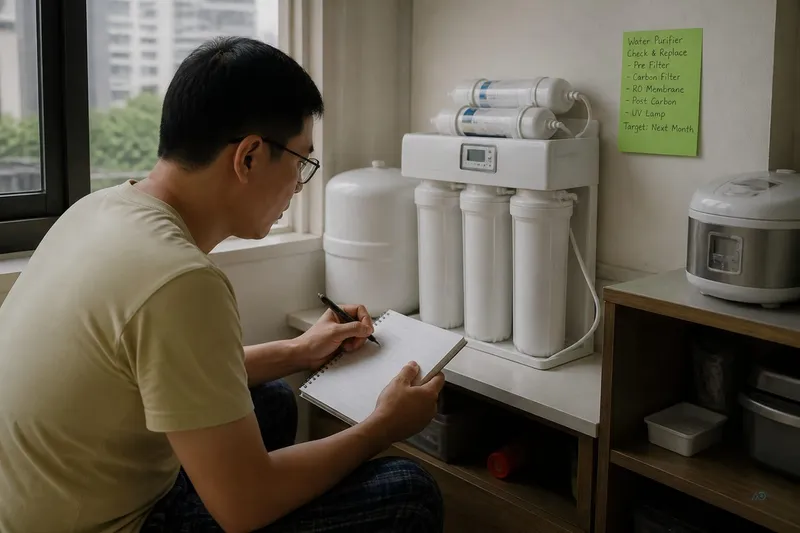
A calm week — even a slightly annoyed week, not yet a crisis week — is exactly the right week to:
- Write down your peak window and which water jobs stack inside it
- Photograph the current install and the space available around it
- Message Viber for a class-fit conversation, not just "cheapest replacement available"
- Confirm in advance who installs the new unit and who you contact after
- Ask about spare-parts availability for the class you are considering, before it is the only class left in stock
None of these steps require the old unit to fail first. All five can happen this week, while the current machine is still producing water, which is exactly what gives you room to compare options instead of grabbing the first one offered.
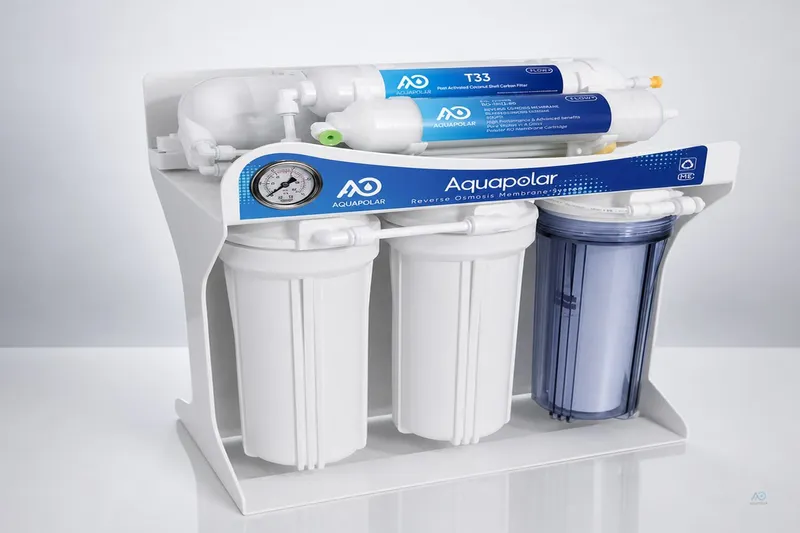
RO Machine 400GPD may enter that conversation as a capacity class name — never a daily gallon promise — once peak demand and cooking use point that direction. Read who it fits and what 400GPD means before assuming any number.
Cost of the "one more month" story
"One more month" is a reasonable-sounding sentence that can quietly cost:
- An entire festival or school week without reliable purified water
- A panic-driven Facebook price decision made from the worst possible bargaining position — buying by price only
- A replacement class that fails again at the same peak hour, because sizing was never actually reconsidered
- No spare-parts support lined up for the new unit's first filter change
- A rushed installer with no time to check drain, power, or pressure properly — see install checklist
Every one of those costs is avoidable with roughly the same amount of effort it takes to send five lines on Viber during a normal week.
The local path stays the same whether you plan calmly or arrive in a panic — Insein showroom · ready stock · local support vs one-time seller. Arriving calm simply means you get to use it properly.
There is nothing wrong with needing a fast replacement when the day arrives without warning — that happens, and we can still help quickly. The point of this guide is that fast and thoughtful are not opposites, as long as the thinking happened a little earlier than the emergency did.
Send this before it dies
- What already fails — slow fill, taste drift, or empty at peak
- When it hurts most — clock time and which days
- Photos of the current space
- Your township
- One sentence: "Help me plan a replacement class — not an emergency-only fix."
Viber 09668896889 · Get Quote · 5 questions before quotation
Sending this while the old unit is still limping means we can talk through fit properly, instead of racing a clock that is already at zero.
Related
Ready to plan while you still can?
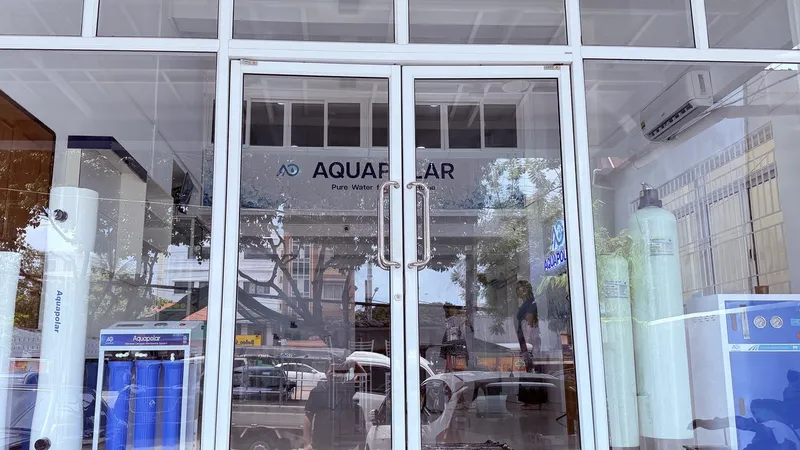
Do not wait for total silence from the old machine. Describe the limp it already has. Then size the next class through a Yangon-reachable path — claim-safe, and planned, not panicked.
The best time to have this conversation is exactly now, while you have the choice — not next week, when the choice may already be made for you.
Related products
Next step
Ready to talk through fit for your home or site? Message on Viber or request a quote.
More guides: Support guides